Walk through Kongowea market in Mombasa, or any estate high street in Kenya, and most of the traders you pass will be women. Very few of them have ever held a formal business loan.
That gap, between how much work women do and how little capital reaches them, is the biggest single brake on women's enterprise in this country. This guide sets out the real options: what exists, what each one suits, what to watch for, and where the system still lets women down.
Why funding for women entrepreneurs in Kenya is still hard to reach
Kenyan women are not short of businesses. According to the KNBS 2016 MSME Survey, 60.7% of unlicensed MSMEs in Kenya are female-only owned, while 47.9% of licensed MSMEs are male-owned. In plain terms, women dominate the informal, unlicensed end of the economy, and men dominate the licensed end where credit, contracts and tenders live.
The formal end tells the same story. In the IFC's Sourcing2Equal Kenya research, carried out between 2020 and 2022 and released in July 2022, 571 formally registered Kenyan SMEs were surveyed. Of those, 61%, or 349 businesses, were men-owned, and only about a third were women-owned.
Ownership also thins out as businesses grow. The World Bank Enterprise Survey Kenya 2018 found that 18% of Kenyan firms have a female top manager and 47% have female participation in ownership, but that participation falls from 22.1% in small firms to 8.8% in large firms.
The businesses that fail are disproportionately women's, too. The KNBS MSME Report found that 54.9% of businesses which closed in the five years before the survey were female-owned.
The credit picture behind all of this is stark. The IFC estimates that only 7% of women-owned MSMEs in Kenya have formal access to finance (IFC, 2024).
What financial inclusion does and does not mean
There has been genuine progress. The 2024 FinAccess Household Survey by CBK, KNBS and FSD Kenya found that the formal financial inclusion gender gap narrowed to 1.6% in 2024, down from 12.7% in 2006, and that 20 of 47 counties now have a higher share of women formally included than men, up from four counties in 2021.
But inclusion is not the same thing as funding. The same survey shows the traditional bank account gender gap still sitting at -13.1% on average, reaching -25% in Kitui and Nairobi. The financial health gender gap actually widened, to 7.5% in 2024 from 4.8% in 2021.
Most enterprises never touch a bank at all. The KNBS MSME Report found that 80.6% of Kenyan enterprises rely on family or personal savings for start-up capital, while bank financing accounts for only 5.6%.
A mobile wallet counts you as included. It does not count as capital. Most Kenyan women start their businesses on their own savings, and honest planning has to begin there.
Where to find funding for women entrepreneurs in Kenya
There is no single best source. Each route below suits a different stage and a different appetite for risk. Always confirm current terms, ceilings and deadlines directly with the provider before you plan around them, because these change.
Government funds: the Women Enterprise Fund
The Women Enterprise Fund (WEF) is a state fund set up to lend to women, mostly through registered groups, with some individual products and business training attached. Applications generally start at constituency level through the WEF office or the Sub-County Gender and Social Development Officer.
By scale it is the largest dedicated channel. WEF Deputy Director Everlyne Lusweti said on 28 October 2025 that the Fund has disbursed KSh 28 billion to 2.25 million women since its inception in 2007.
- Suits: group-based traders, first-time borrowers with no collateral, and businesses needing small working capital rather than large equipment finance.
- Watch out for: group liability. If members default, the group carries it. Processing can be slow and terms change, so confirm the current rate, ceiling and repayment period on the official WEF channels before you plan around them.
Government funds: the Uwezo Fund
Uwezo is a constituency-level fund for women, youth and persons with disabilities, again organised around registered groups. It is worth going in with clear eyes about its repayment record.
PS Susan Mang'eni reported on 19 November 2024 that Uwezo had disbursed KSh 7.9 billion to 82,000 groups, with KSh 5.17 billion in defaulted loans as of June 2024, and a 48% default rate in February 2024.
- Suits: small registered groups already trading together, with a shared record of contributions.
- Watch out for: the same group-liability risk, plus the cost of joining a group that has already defaulted. Ask your constituency committee what the local repayment position is before you sign anything.
SACCOs
Savings and credit co-operatives lend against your own savings record, usually as a multiple of your deposits, with guarantors instead of title deeds.
- Suits: women with steady income, even modest income, who can save consistently for six to twelve months first.
- Watch out for: the waiting period. You must build savings before you can borrow, so this is a plan for next season rather than this week. Guarantor obligations are real, and you may be called on for someone else's loan.
Chamas, merry-go-rounds and table banking
Informal savings groups remain the structure most Kenyan women actually use, and for good reason: no collateral, little paperwork, and social accountability that works.
- Suits: start-up capital, stock top-ups, emergencies, and building the savings discipline that SACCOs and government funds later reward.
- Watch out for: money held without written records or a group bank account. Write a constitution, keep a ledger, elect a treasurer. Chamas fail on trust, not on arithmetic.
Microfinance institutions and digital lenders
MFIs and mobile lenders are the fastest route to cash and the most expensive. They serve a real purpose for short, self-liquidating needs.
- Suits: buying stock you will sell within weeks, bridging a confirmed order, urgent repairs to equipment you trade with.
- Watch out for: rolling short-term debt into long-term working capital. If you cannot name the sale that repays the loan, the loan is not for stock. It is for survival, and it will compound.
NGO micro-grants and business training
Grants do not have to be repaid, which makes them the cheapest capital available and also the most competitive. They are usually small, tied to training, and awarded on the strength of a plan rather than collateral.
- Suits: women starting out, or rebuilding after a shock, who can commit to the training and reporting attached.
- Watch out for: treating a grant as the whole plan. Grants work best as a first rung. Enough to prove the business, then a savings record, then credit.
What lenders and grant committees actually check
Most rejections have little to do with the business idea. They are about records. Get these in order before you apply.
- A registered business name or group registration certificate, with ID copies for all members.
- A separate M-Pesa till or bank account for the business, used consistently for at least three months.
- A simple daily record of sales, purchases and stock. A school exercise book is enough.
- A one-page plan: what you sell, to whom, what the money buys, and how the repayment is generated.
- Evidence of savings, however small, showing you can set money aside every week.
- A clean record on any previous group loan, and honest disclosure of any that went wrong.
How to start a business as a woman in Kenya on very little capital
Given that 80.6% of Kenyan enterprises begin on personal or family savings, waiting for external funding is usually the slowest possible start. The faster route is to begin small, prove demand, and let the records you build become your application.
Start with something you can already source and sell within a week. Price it so you know your margin per unit, not just your daily takings. Keep business money separate from household money from day one, because this single habit is what most later applications hinge on.
Then join or form a chama and start saving before you need to borrow. Find someone a few steps ahead of you, too. Our mentorship circles for young women exist because practical advice from a woman who has already made the mistakes is worth more than most training manuals.
Where the system still underperforms
It would be dishonest to hand over a list of options without saying plainly that the options are inadequate.
The African Development Bank's AFAWA initiative puts the financing gap for African women across business value chains at US$42 billion, including US$15.6 billion in agriculture alone. This is not a gap caused by a shortage of women in business. The Global Entrepreneurship Monitor 2016/17 Women's Report, cited by AfDB, puts the female entrepreneurship rate in sub-Saharan Africa at 25.9% of the female adult population.
The economic case for closing it is not complicated. AFAWA notes that women reinvest up to 90% of their income in family and community education, health and nutrition, compared with 40% for men.
The barriers stack up. Women in sub-Saharan Africa are 30% less likely than men to own a smartphone, according to GSMA data cited by the IFC, which is a serious handicap when lending, records and customers all move onto phones. The labour market compounds it. UN Women's Kenya data shows formal wage employment of 1.7 million men (63%) against 1 million women (37%), informal employment at 90.19% for women against 83.13% for men, and unemployment at 7.56% for women against 3.9% for men. Analysis such as the Observer Research Foundation's work on gender parity in Kenya's entrepreneurship cycle reaches the same conclusion: the leak runs across the whole cycle, not at one point.
Unpaid care work, land and collateral held in men's names, and loan products designed around salaried borrowers all sit behind these figures. Fixing them is policy work, not paperwork.
How GWIF works with women entrepreneurs
Global Women Impact Foundation was founded in 2020 and works from Moi Avenue, Wimpy House in Mombasa, with a strong presence across Coast Province and work throughout Kenya.
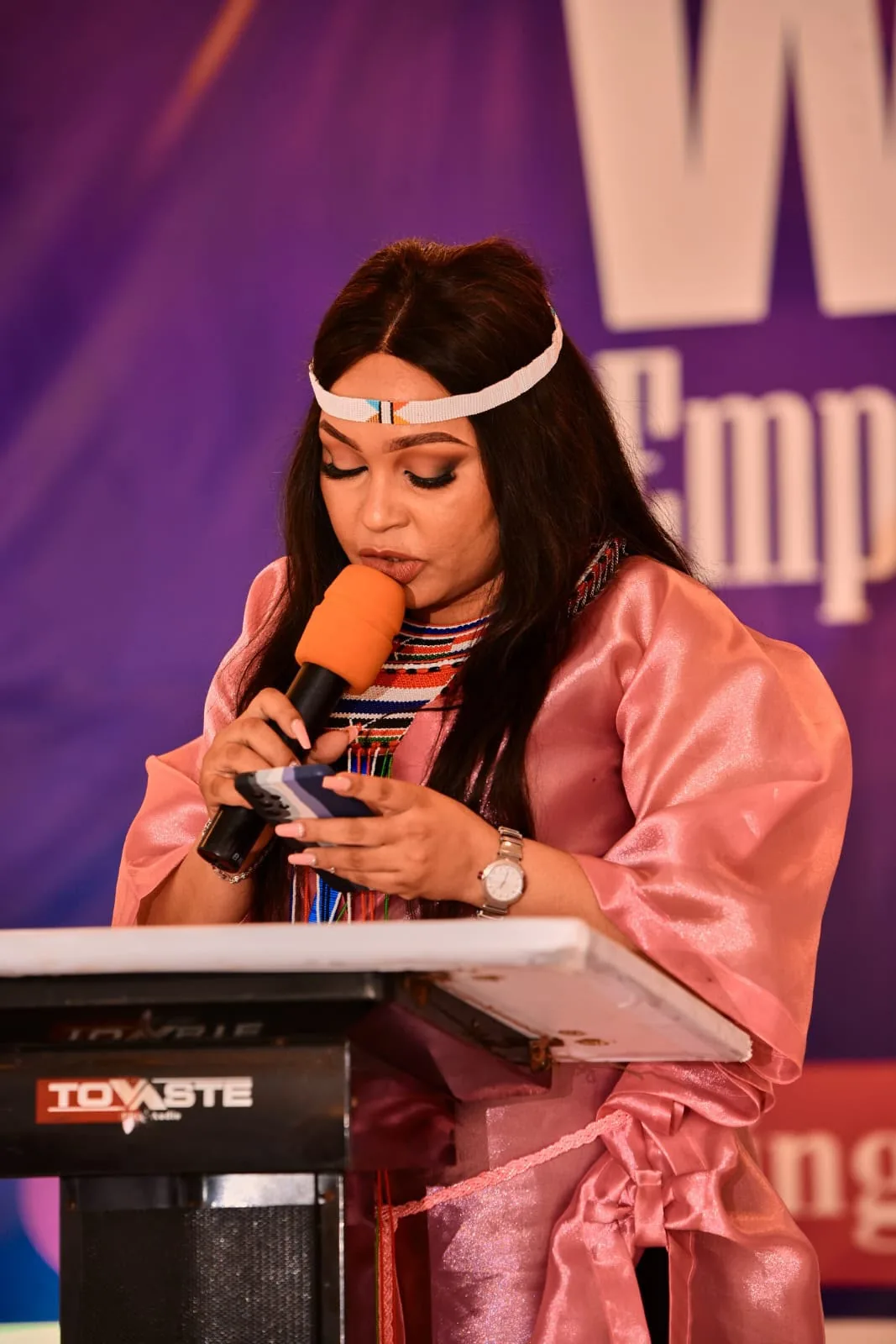
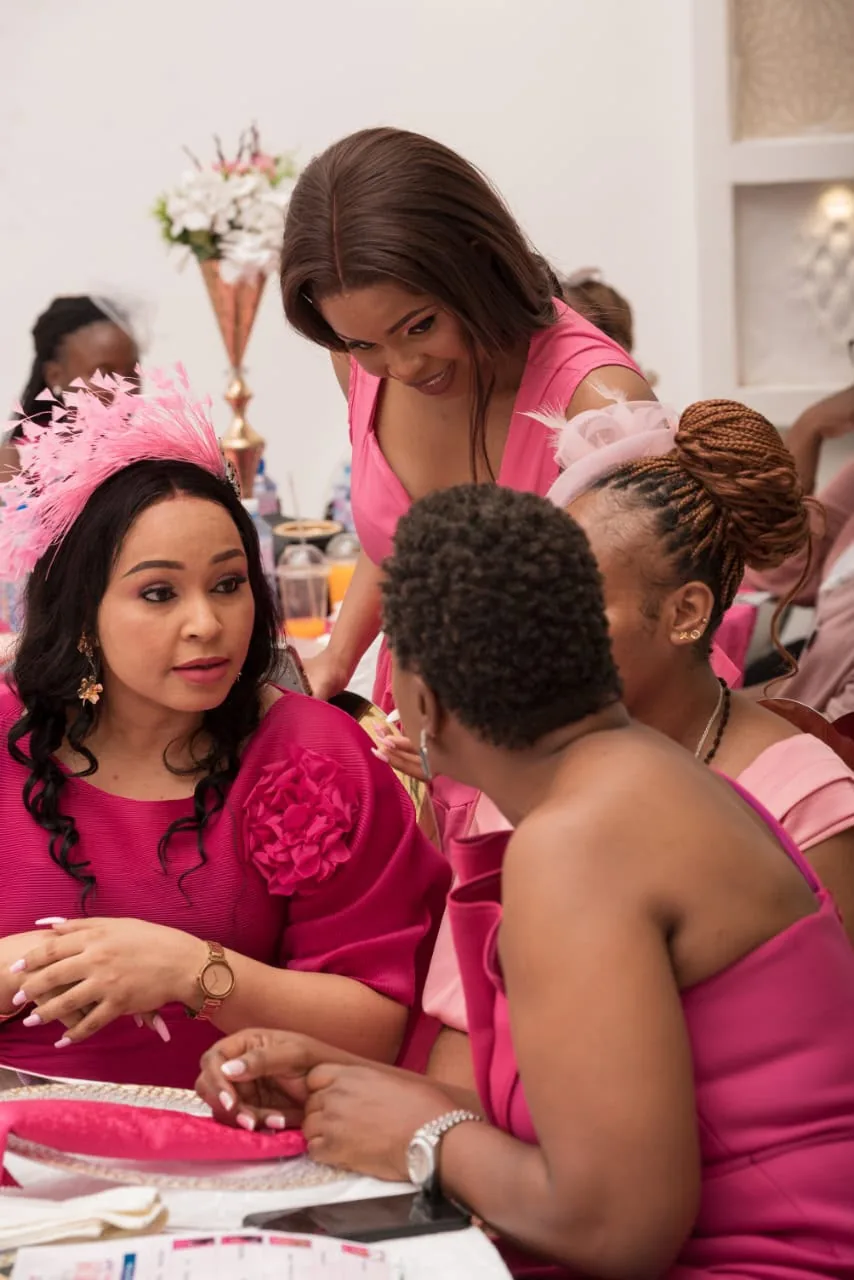
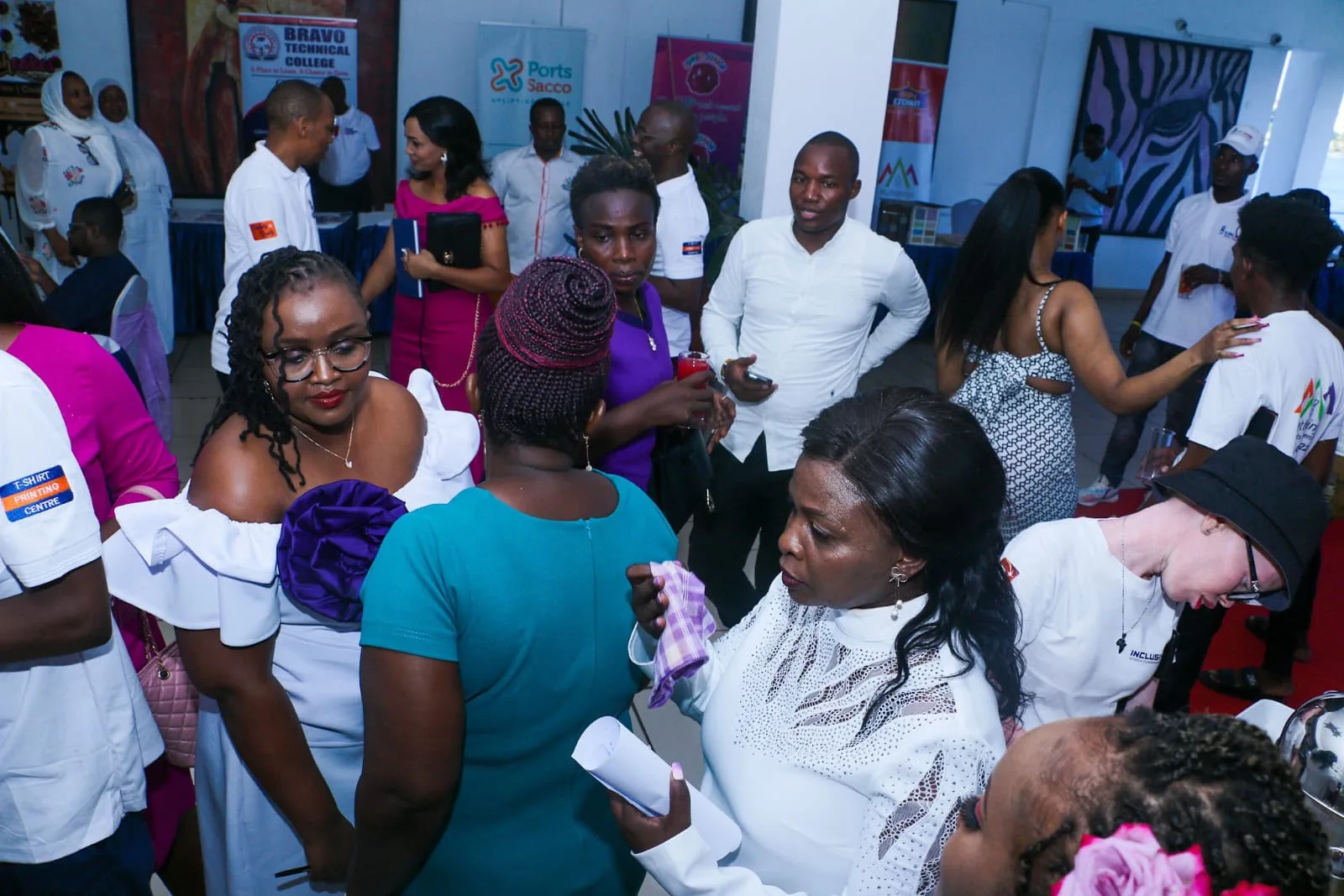
Our Women Entrepreneur Micro-Grants combine seed funding with business training, because money without record-keeping and pricing skills rarely survives the first hard season. Mentorship Circles pair women with others further along the same road. Our Women Business Expo brings entrepreneurs into the same room as SACCOs, training colleges and corporate partners, and those introductions often matter as much as the capital.
You can read the full range on our programmes page and see what we are working towards in our organisational objectives. This work sits alongside our girls' education support, because the two feed each other across generations.
Where to start this week
- Open a separate business account or till, and move every business shilling through it from today.
- Buy an exercise book and record every sale and purchase for the next 30 days. This becomes your application.
- Visit your constituency WEF or Uwezo office and ask for the current group requirements, rates and repayment terms in writing.
- Join or start a chama with a written constitution, an elected treasurer and a group account.
- Register your business name and keep the certificate somewhere safe with your ID copies.
- Get in touch with GWIF to ask about micro-grants, mentorship or the next Women Business Expo. Call +254 723 428 105 or email info@globalwomenimpactfoundation.org.
None of this requires capital you do not have. It requires the records that make capital possible.